
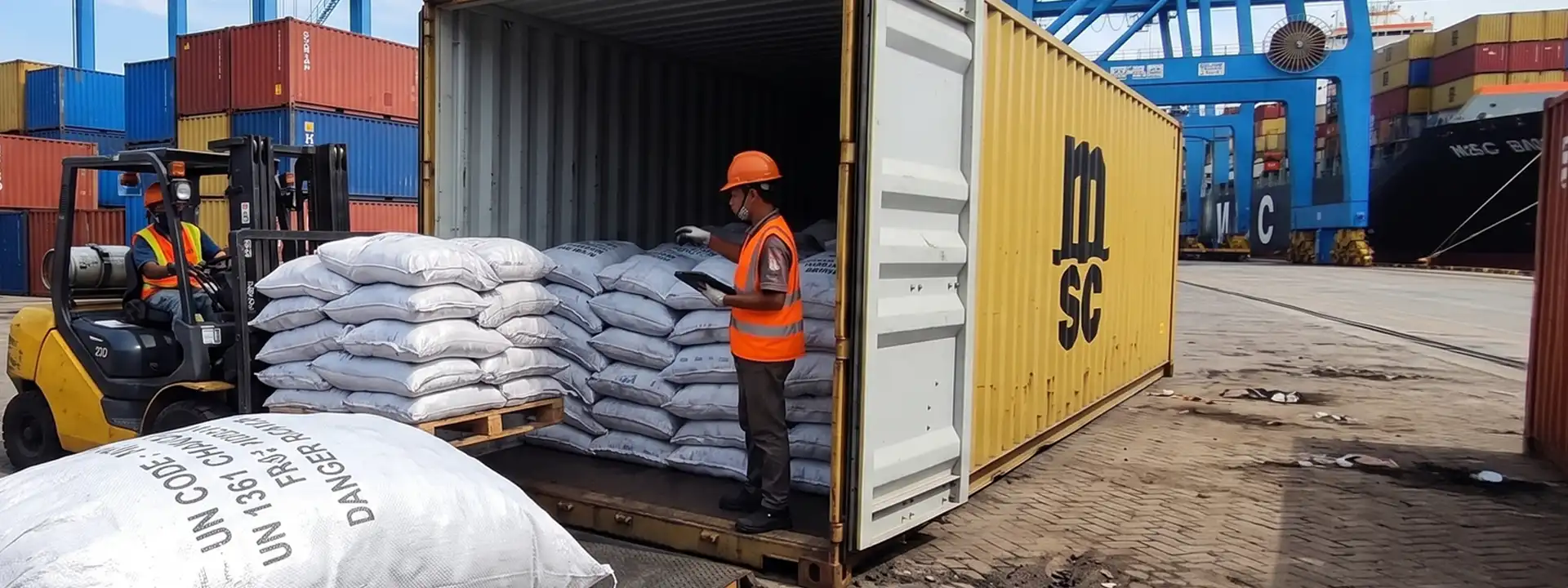
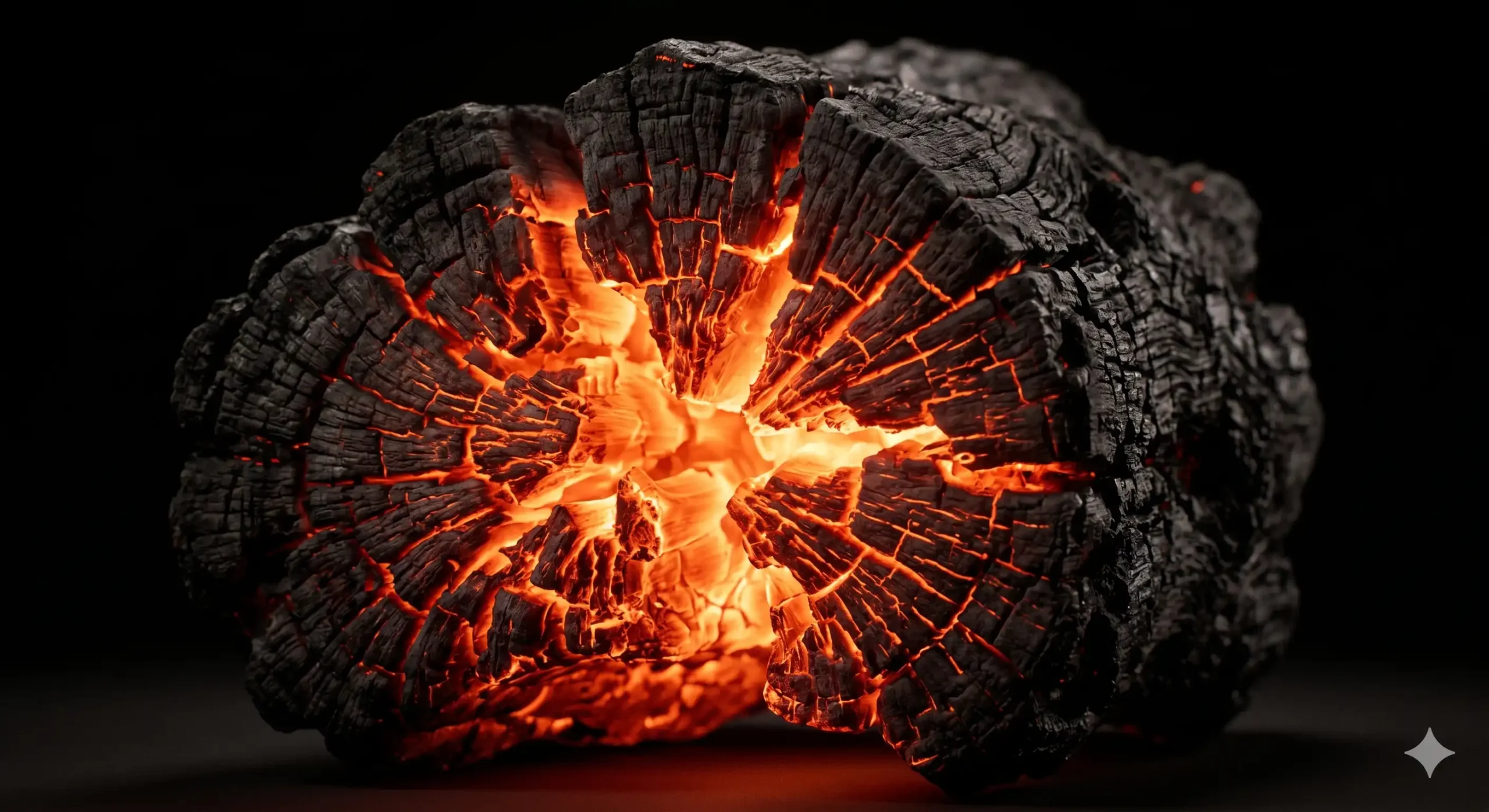
When global buyers look for the finest grilling fuel, their search inevitably leads to Southeast Asia. Indonesia wood charcoal has established a dominant reputation in the international market, renowned for its incredible density, sustainability, and superior burning characteristics.
The secret to this exceptional quality lies in the region’s diverse and dense tropical hardwoods. Unlike softwoods that burn quickly and produce excessive ash, Indonesian manufacturers utilize premium raw materials such as tamarind wood charcoal, halaban wood charcoal, and fruit wood charcoal. These specific wood types are famous for their dense cellular structure, which translates into a much heavier, longer-lasting charcoal.
- Tamarind and Halaban:Known for producing incredibly hard lump charcoal, these woods yield a product with a fixed carbon content often exceeding 75%. This ensures a stable, high-heat burn that professional steakhouses demand.
- Fruit Wood:Sourced sustainably from community plantations and agricultural by-products, fruit wood imparts a subtle, sweet aroma to grilled foods, making it a favorite among culinary experts.
Beyond standard lump charcoal, Indonesia is also a leading producer of specialized variants, including white charcoal (often referred to as binchotan style). By rapidly cooling the carbonized wood with an ash mixture, manufacturers create an ultra-dense fuel with a metallic ring, prized for indoor Yakitori and Robatayaki grilling. For global distributors, sourcing natural wood charcoal from Indonesia guarantees a diverse, premium product line that satisfies the highest culinary standards.
Related Posts
June 13, 2026
Elevating Culinary Experiences: Natural Wood vs. Manufactured Briquettes
In the commercial BBQ and grilling industry, buyers frequently weigh the benefits of natural wood…

June 13, 2026
Sourcing Natural Wood Charcoal in Bulk: A Guide for Global Importers
For B2B importers and wholesalers, efficiently sourcing natural wood charcoal involves more than just finding a…
June 13, 2026
How to Identify High Quality Charcoal for Import and Distribution
Importing charcoal in bulk requires a keen understanding of product specifications. The global market is…
June 13, 2026
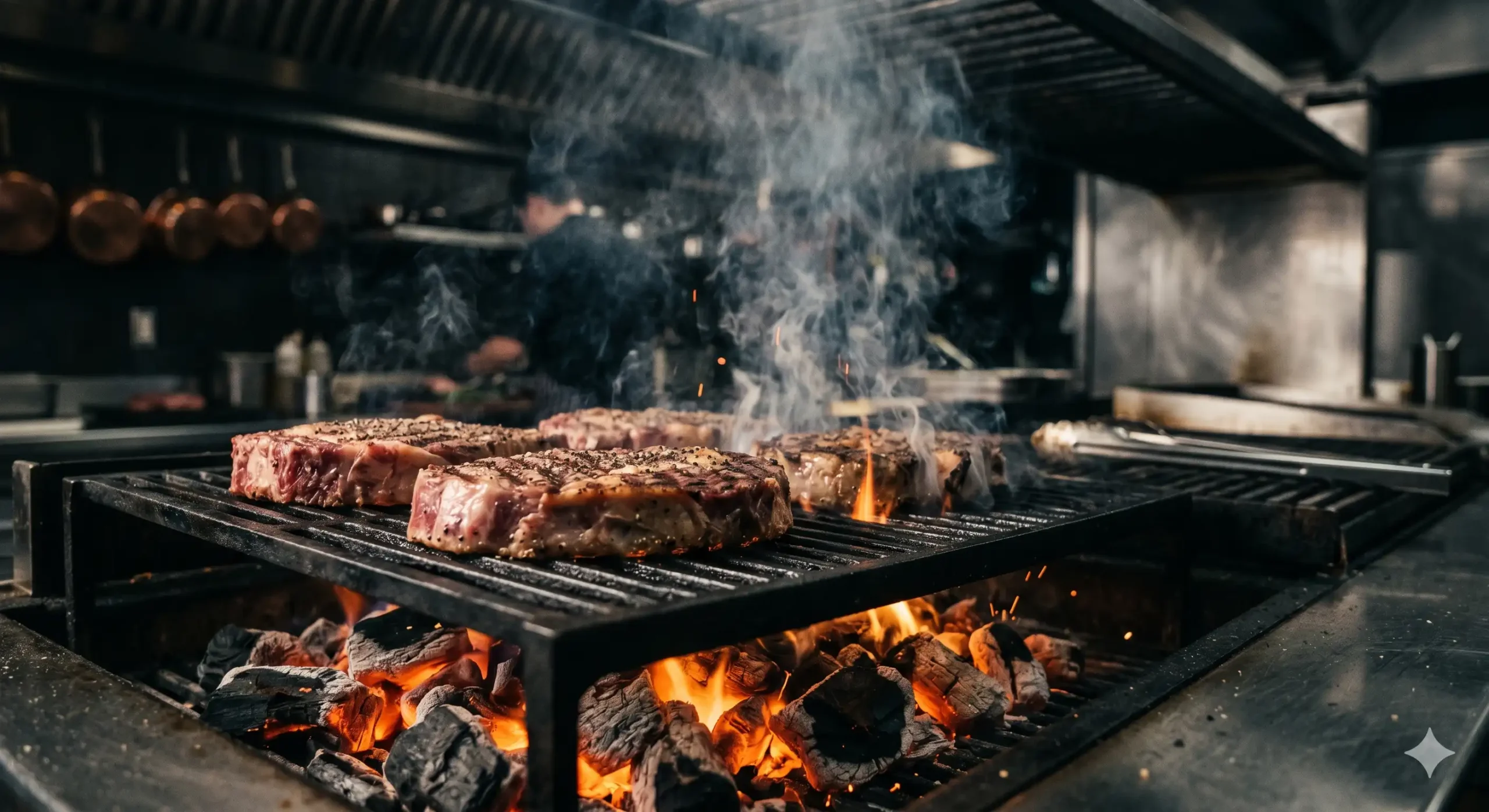
Why Natural Wood Charcoal is the Ultimate Choice for Professional BBQ
For professional chefs and BBQ enthusiasts, the choice of fuel is just as important as…